Like with other sports, the playing shirts worn by the pro’s differ from the retail version sold to fans. The changes are often intentionally designed with subtle differences that you’ll only notice up close that give the pro’s an elevated offering, whilst letting the fans represent their favourite county, country or players off the field.
But what are the differences? Well, they all differ per manufacturer, county and country - sometimes even by player if they have specific requests such as Ricky Ponting and his custom three-quarter length sleeves.
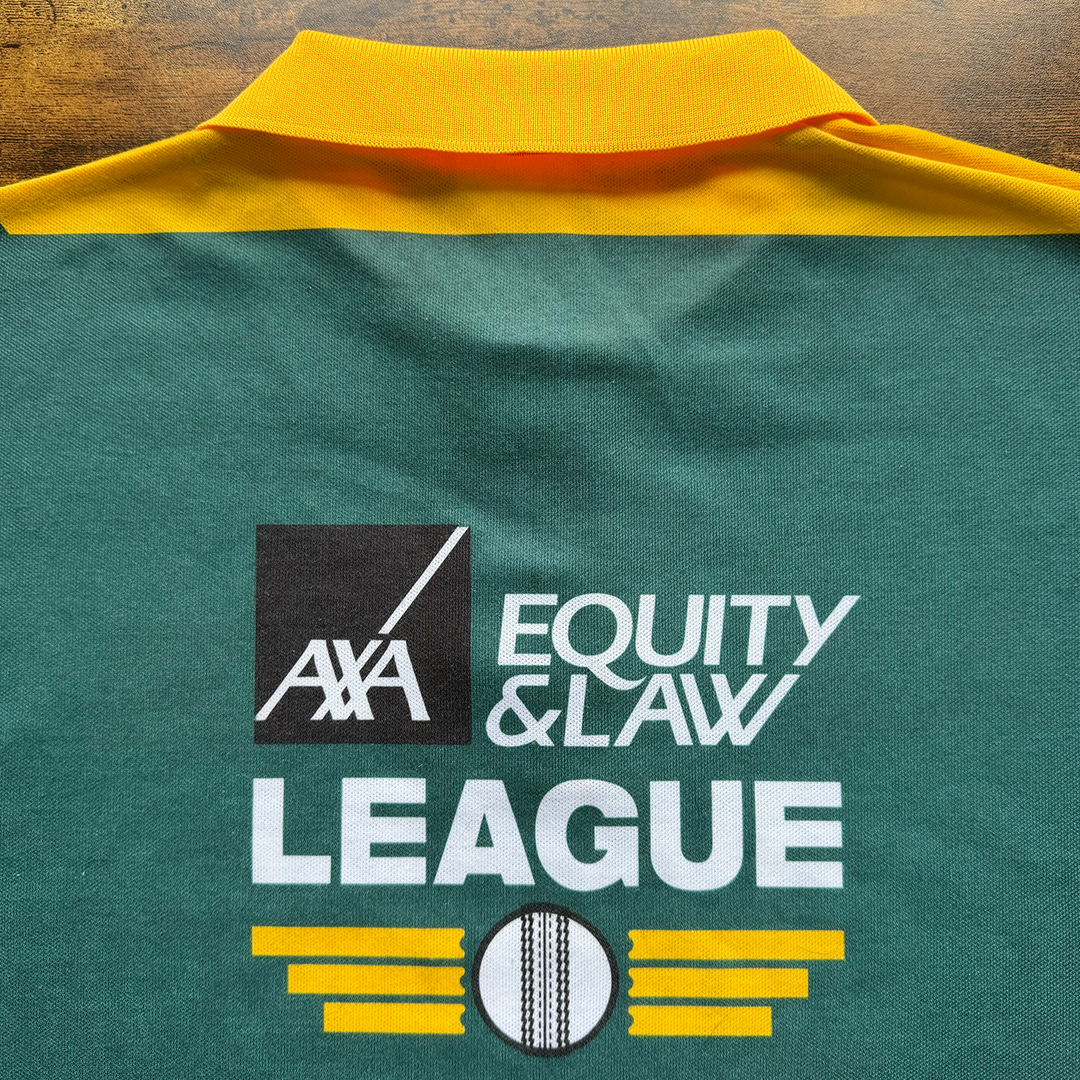
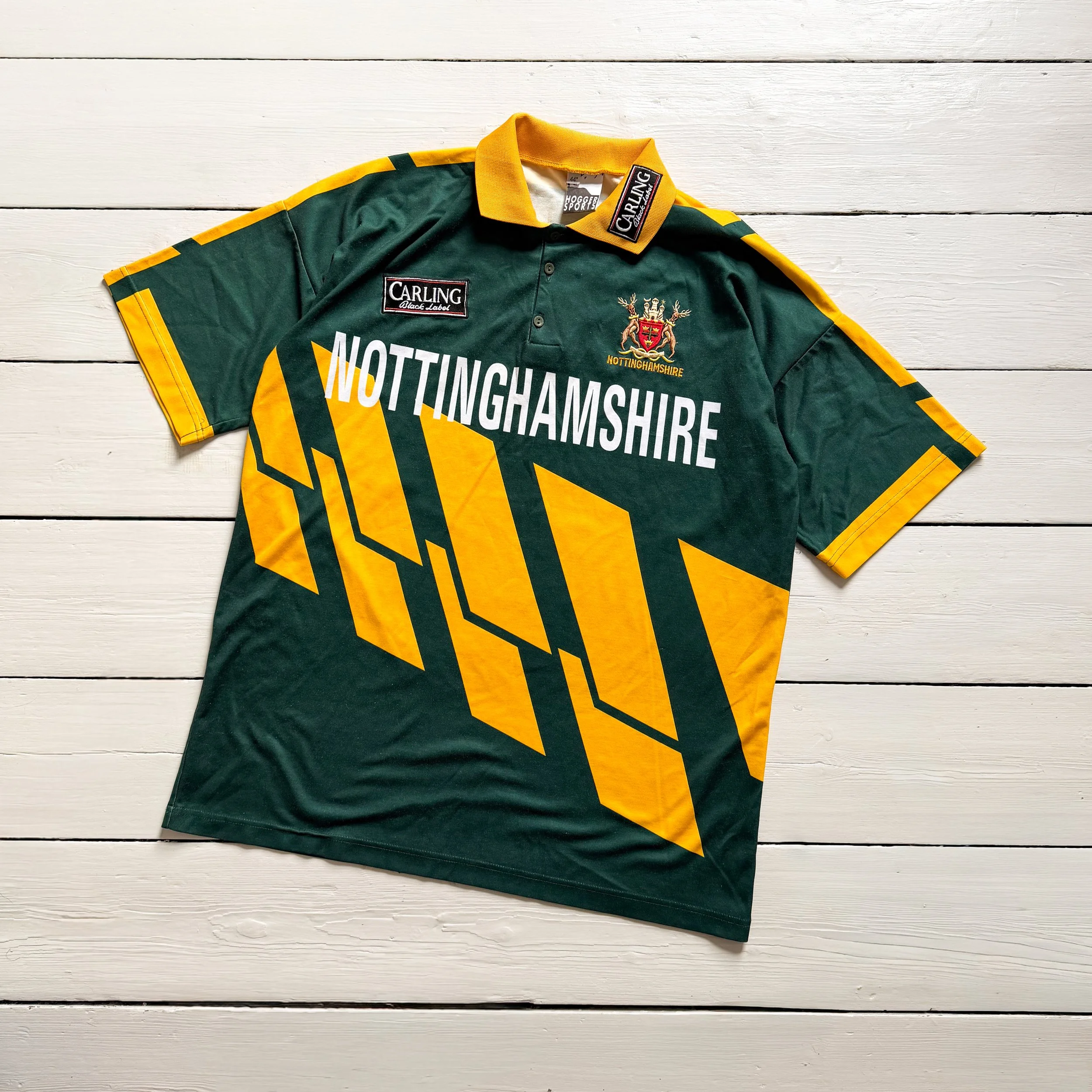
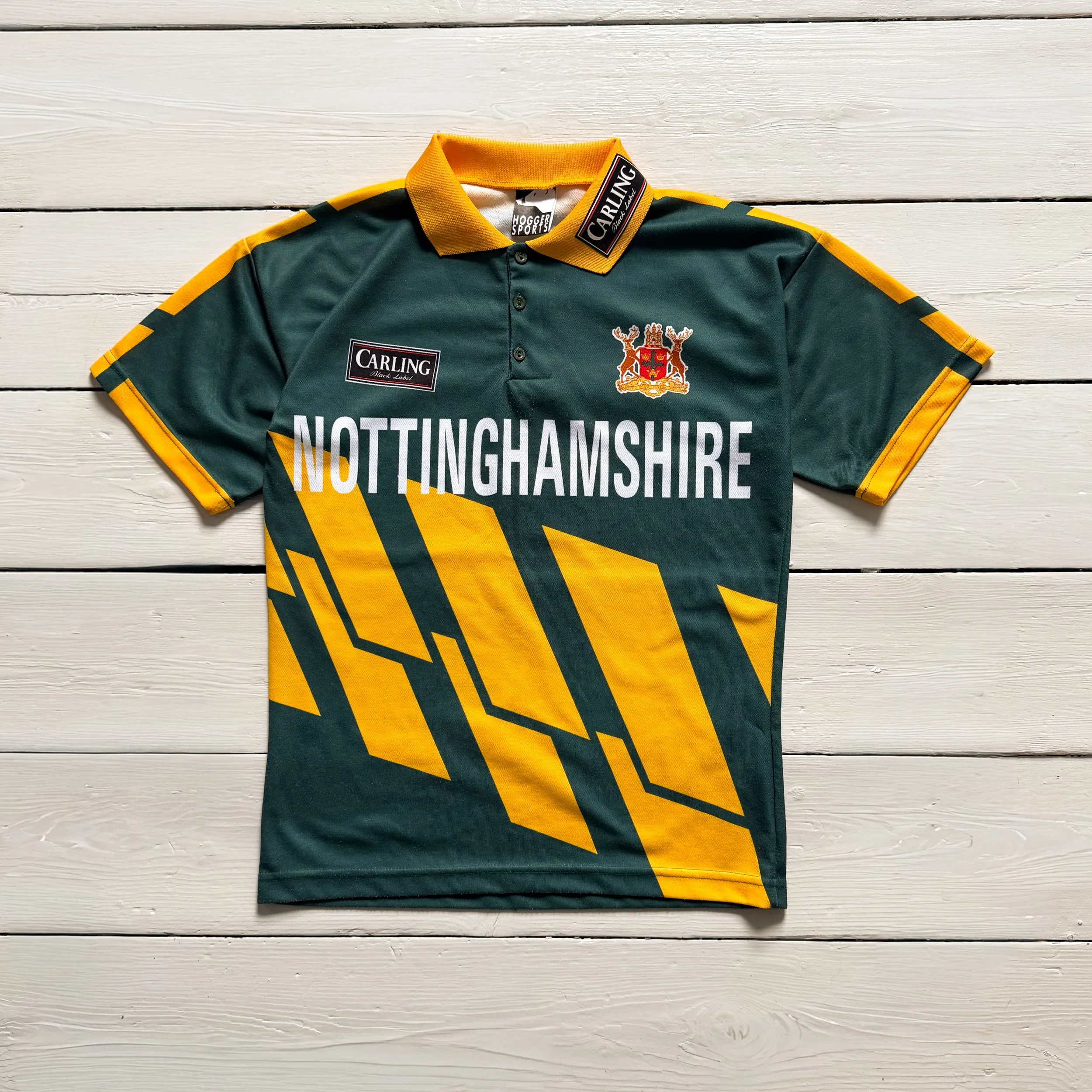
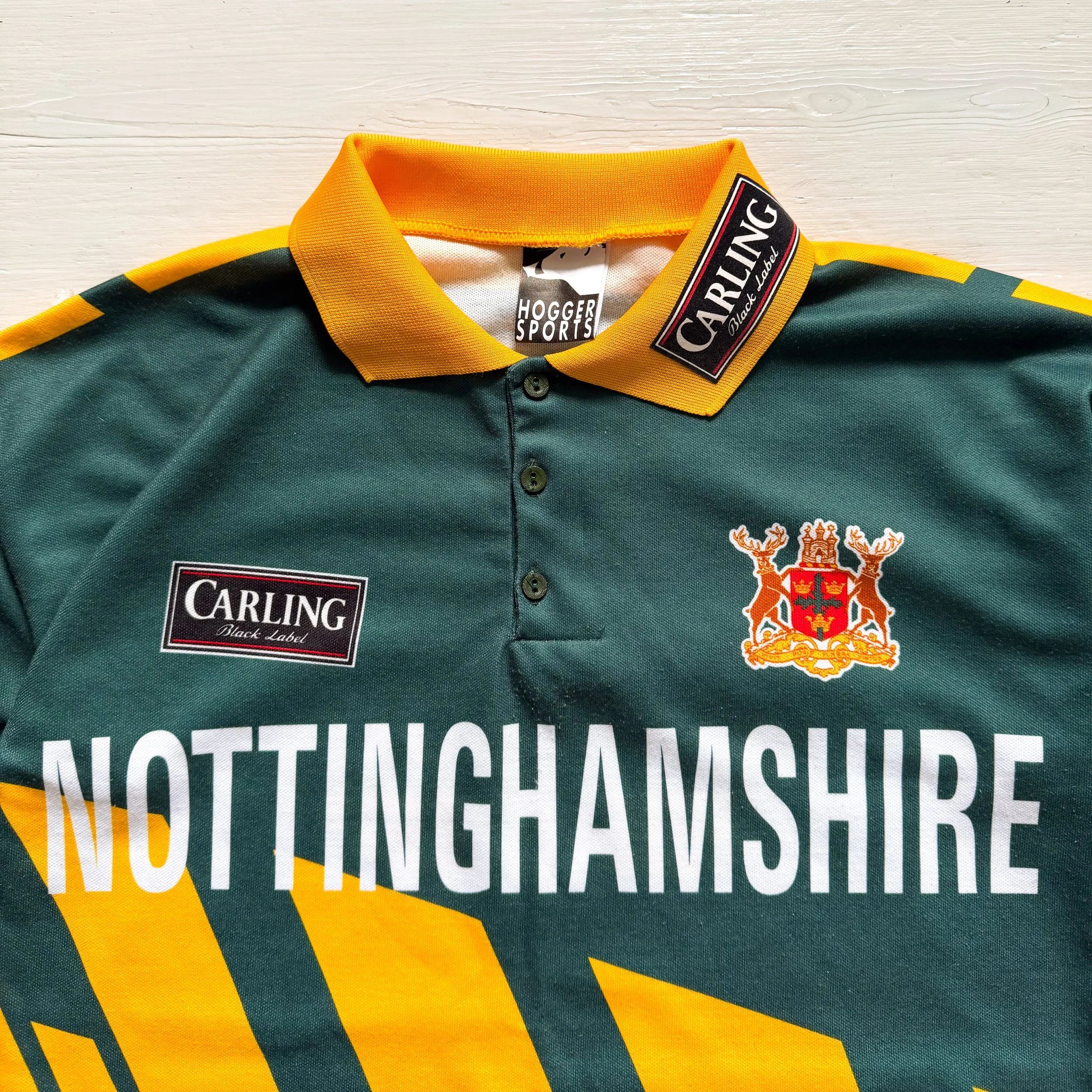
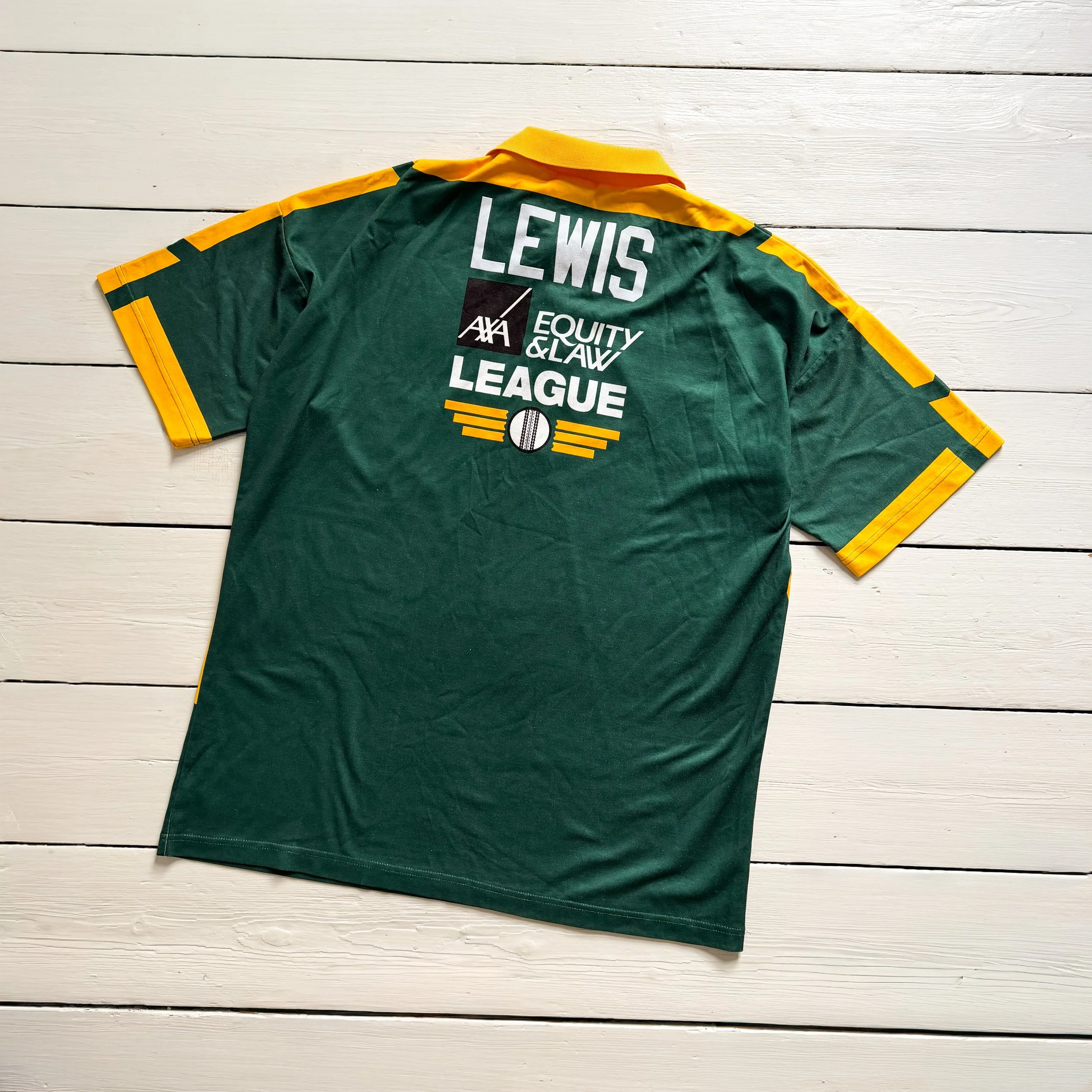
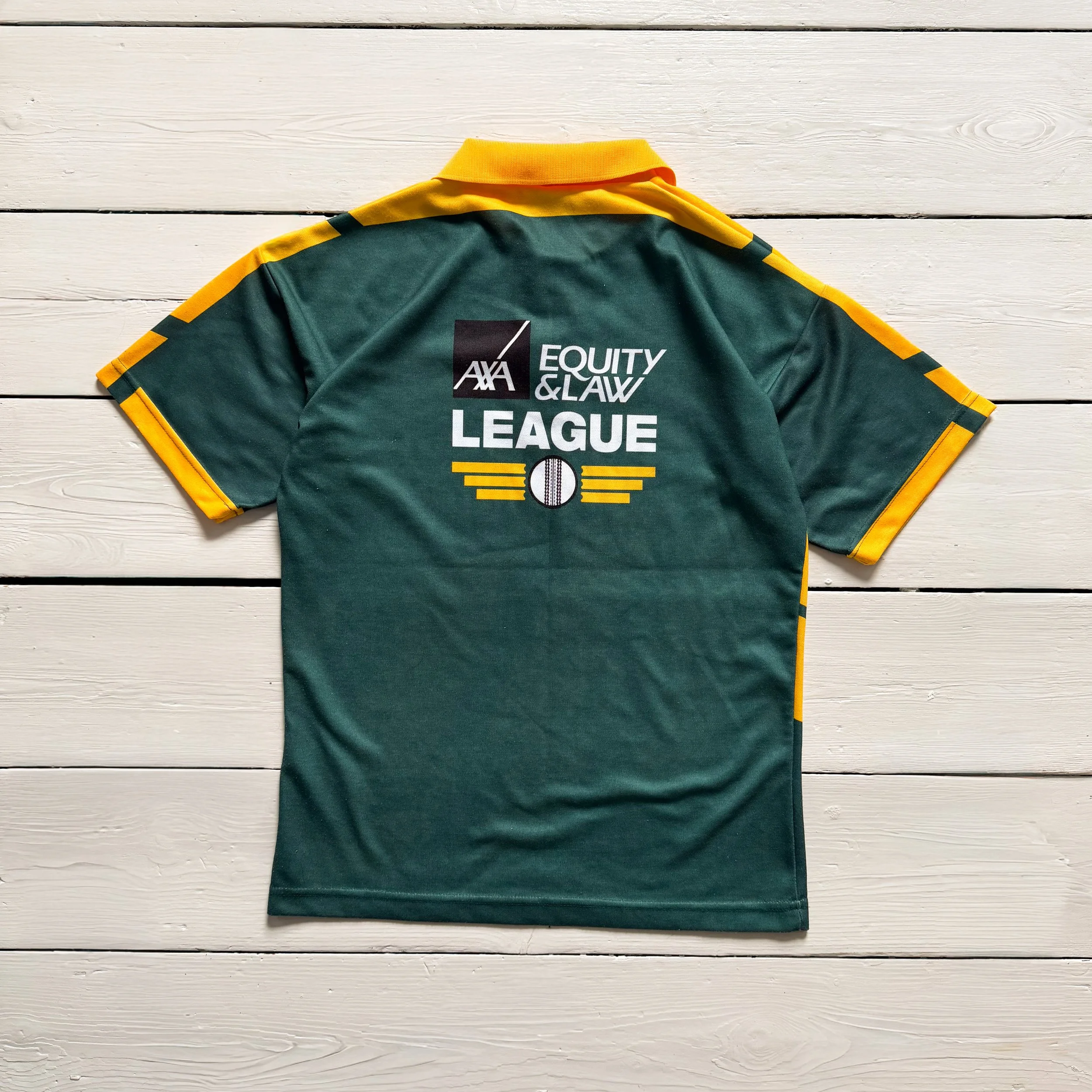
We’ve taken a closer look at the original player issue and retail versions of the 1992 Nottinghamshire AXA Equity & Law League shirt to show you the differences.
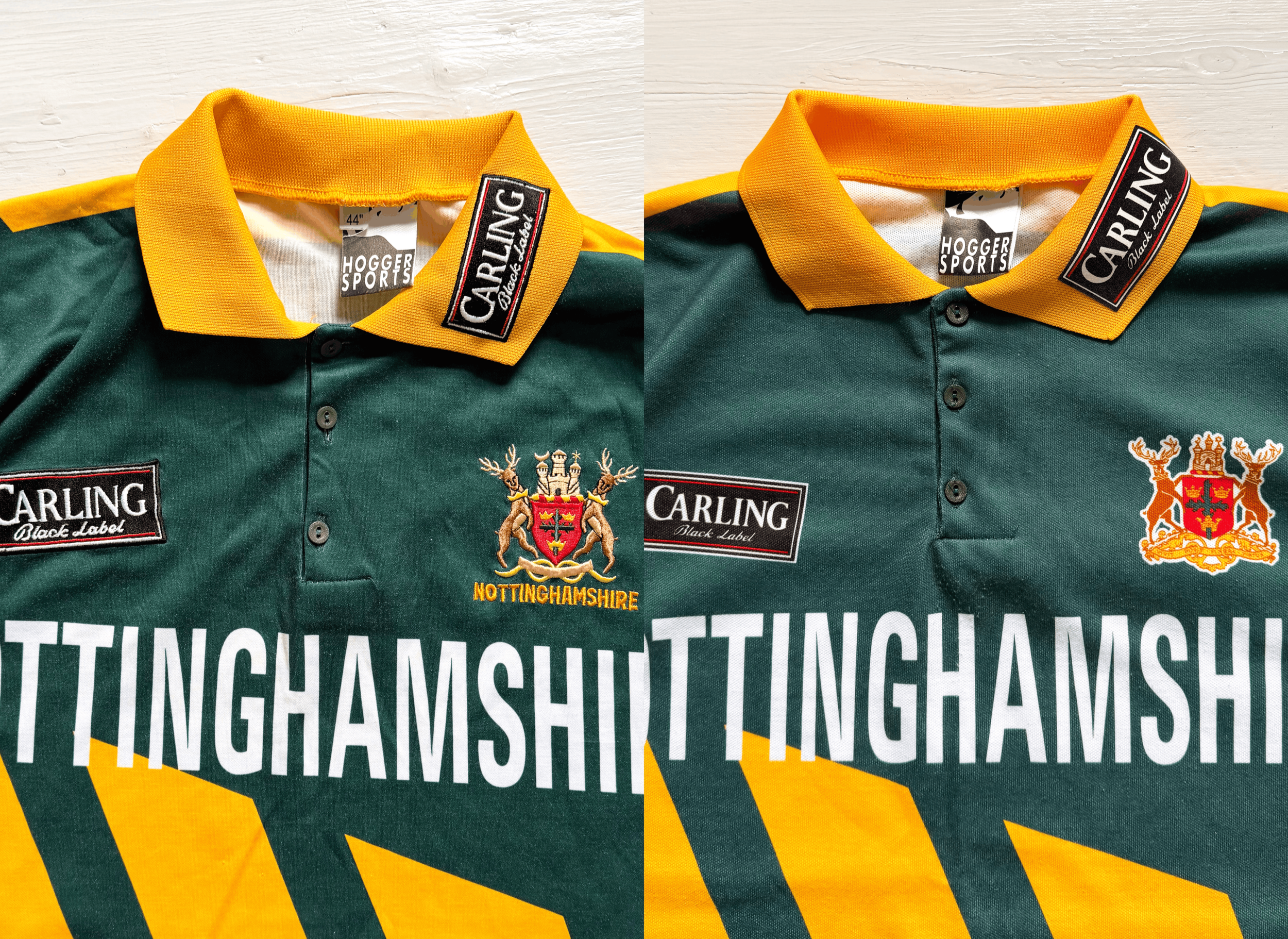
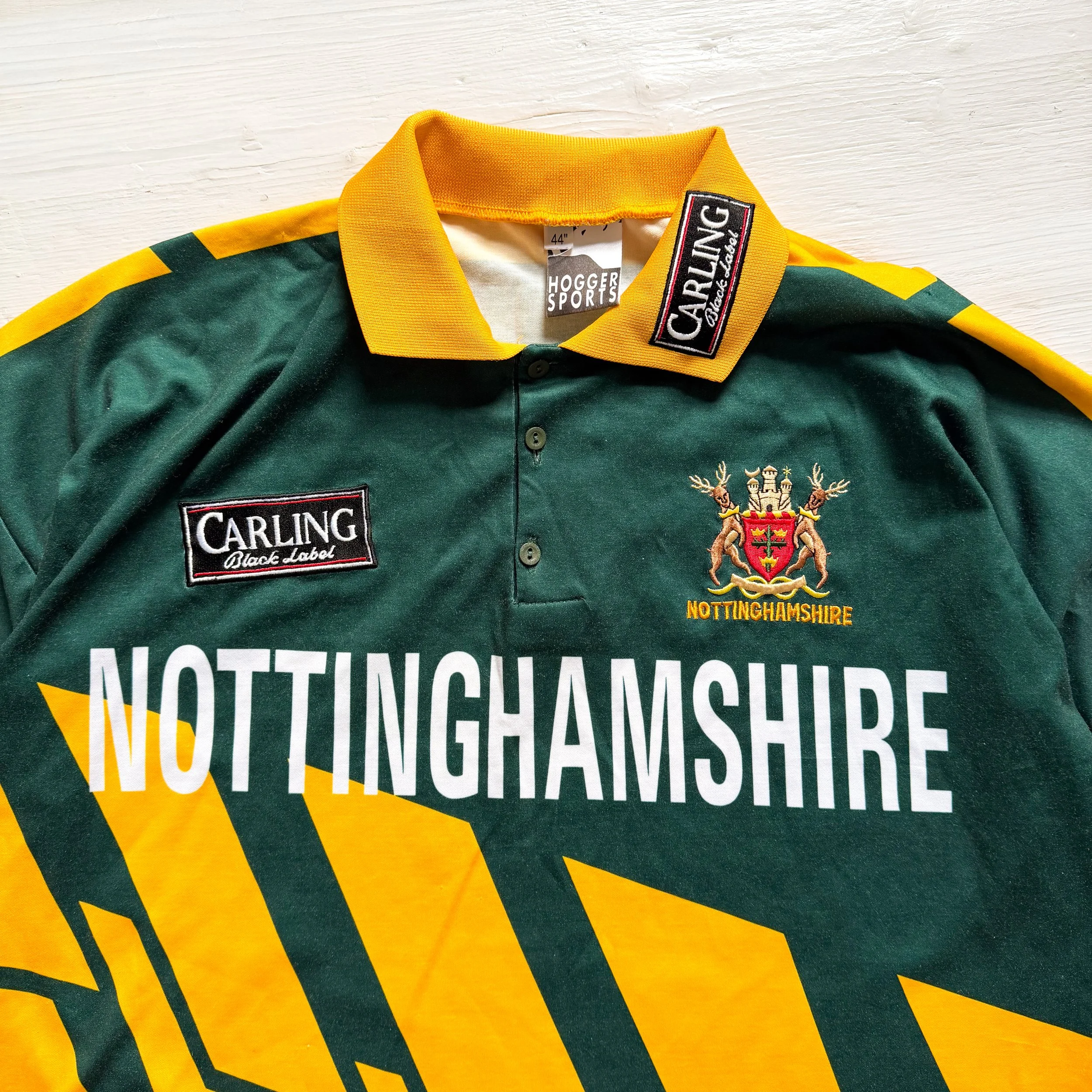
The first differential between player issue and retail will often be the crest on the front of the shirt - this is usually elevated in certain ways for the pro’s.
For the 1992 Notts shirt, you can see the player issue features premium embroidery, whereas the retail is an integrated printed crest into the material.
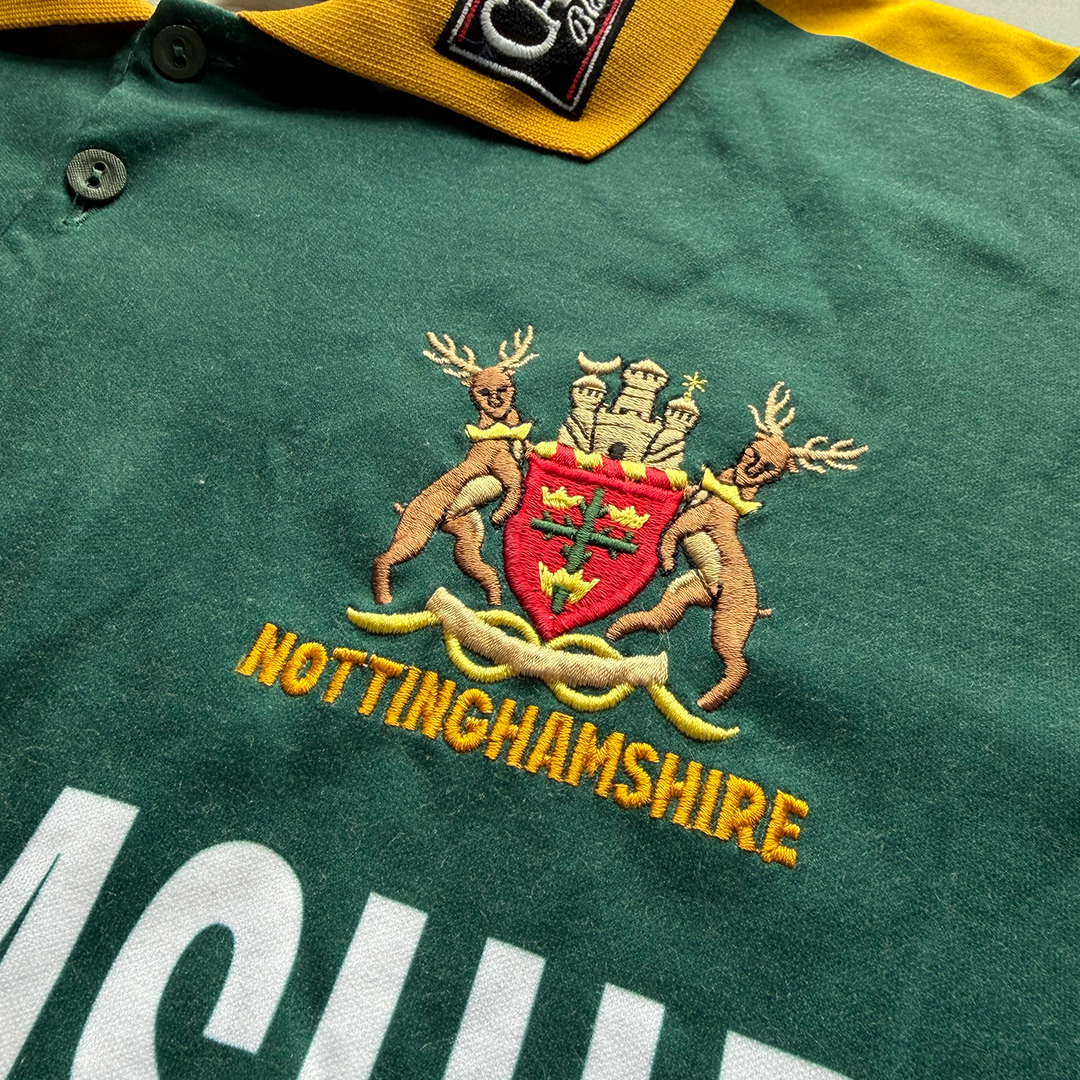
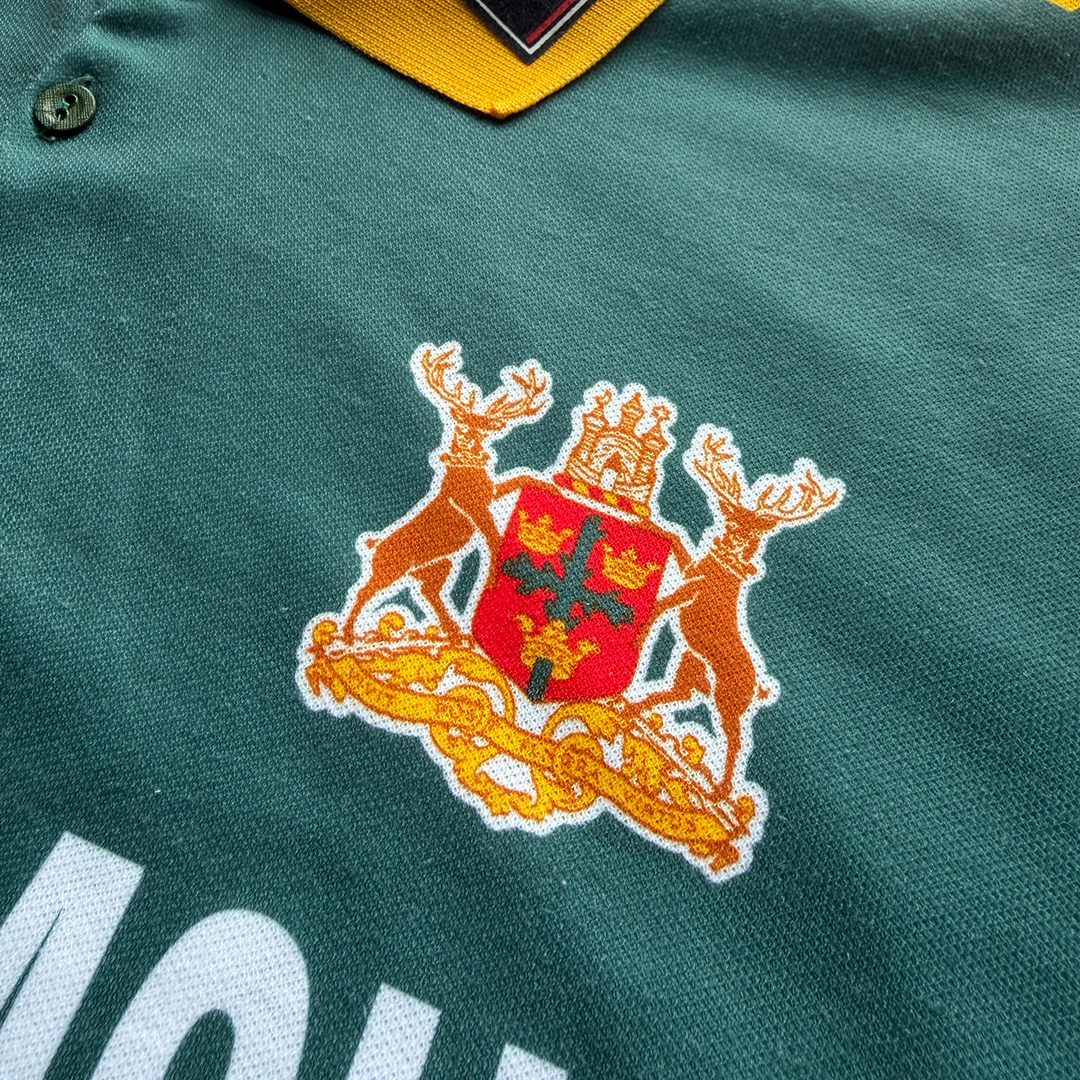
This is also consistent for most 1992 AXA shirts with the sponsor logos on the chest and collar placements.
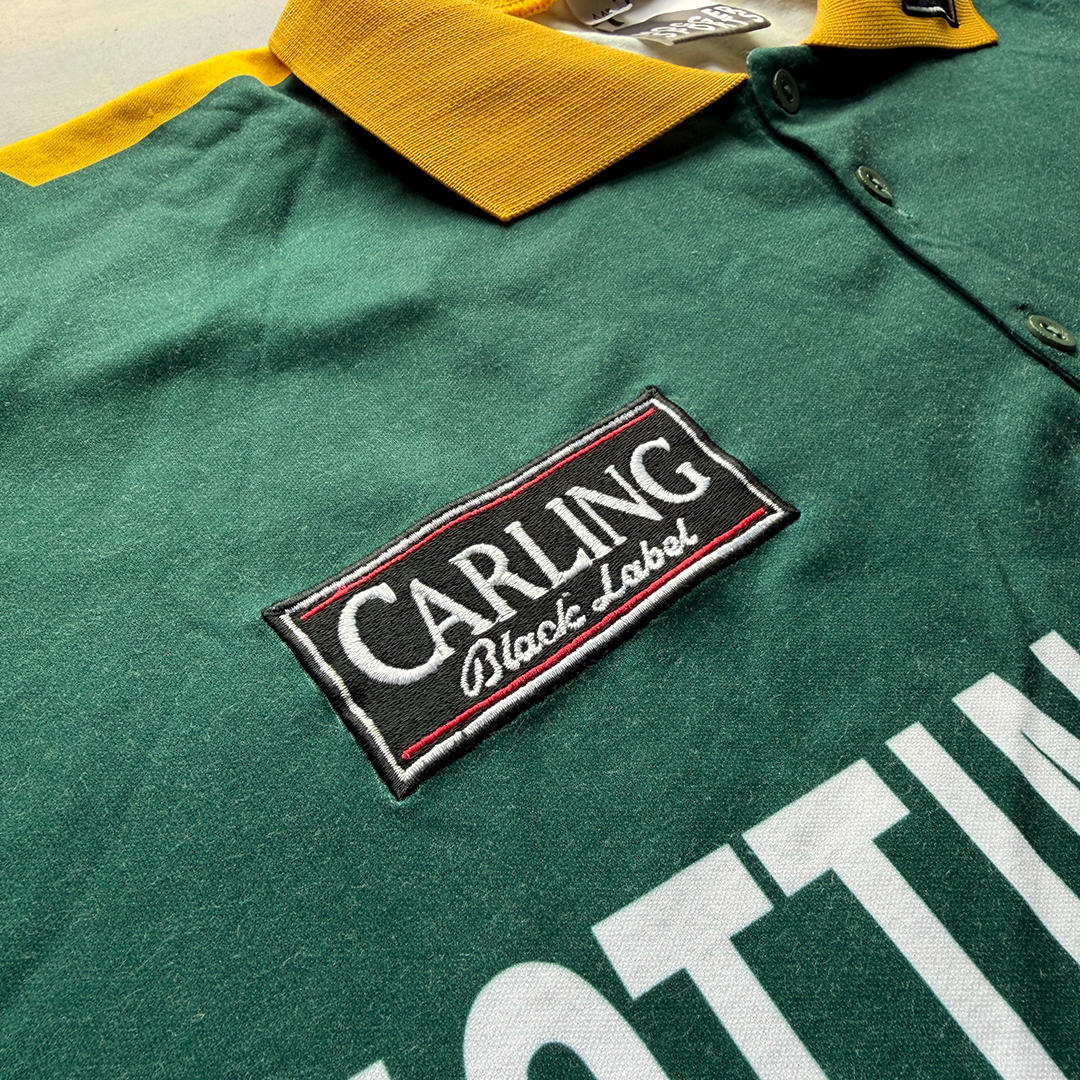
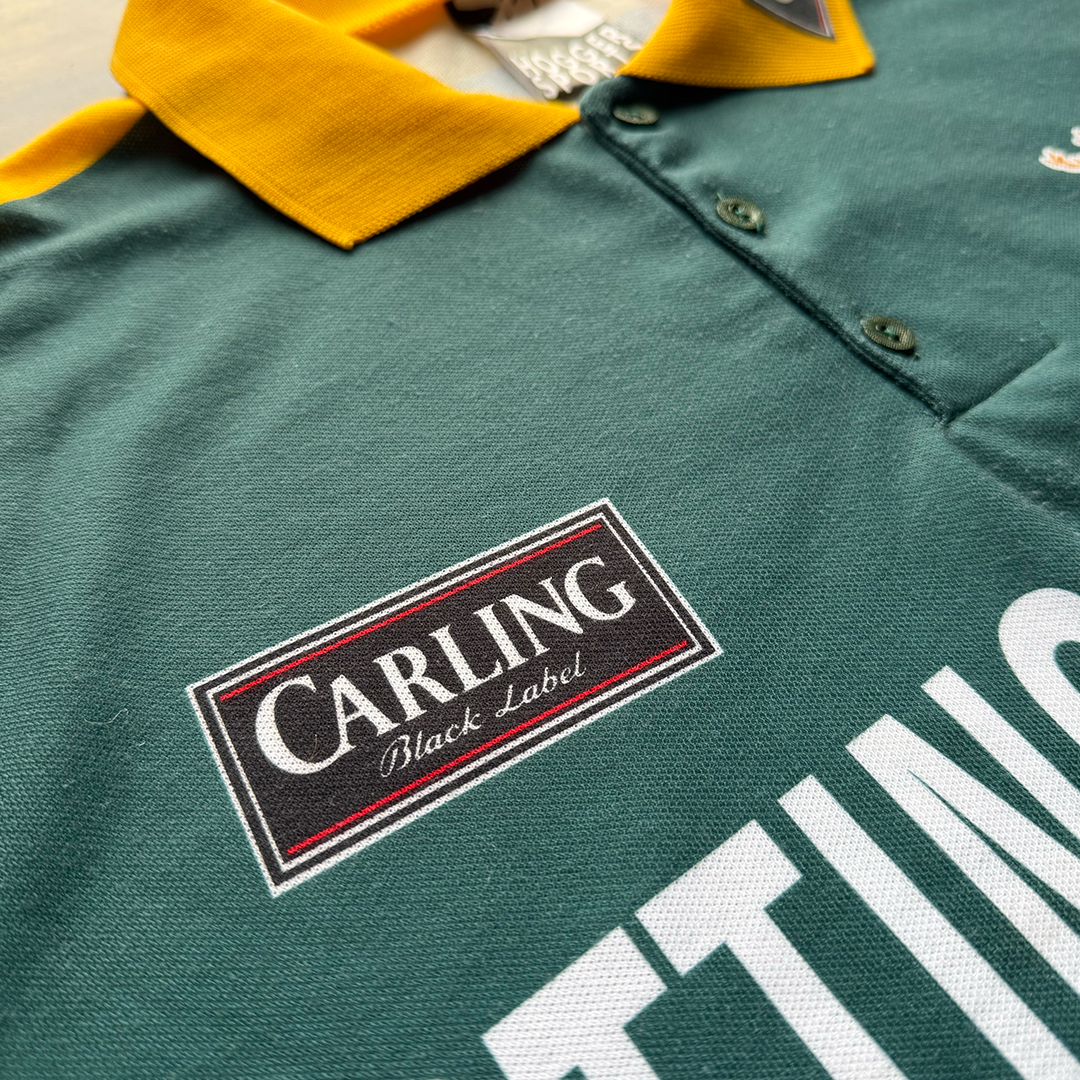
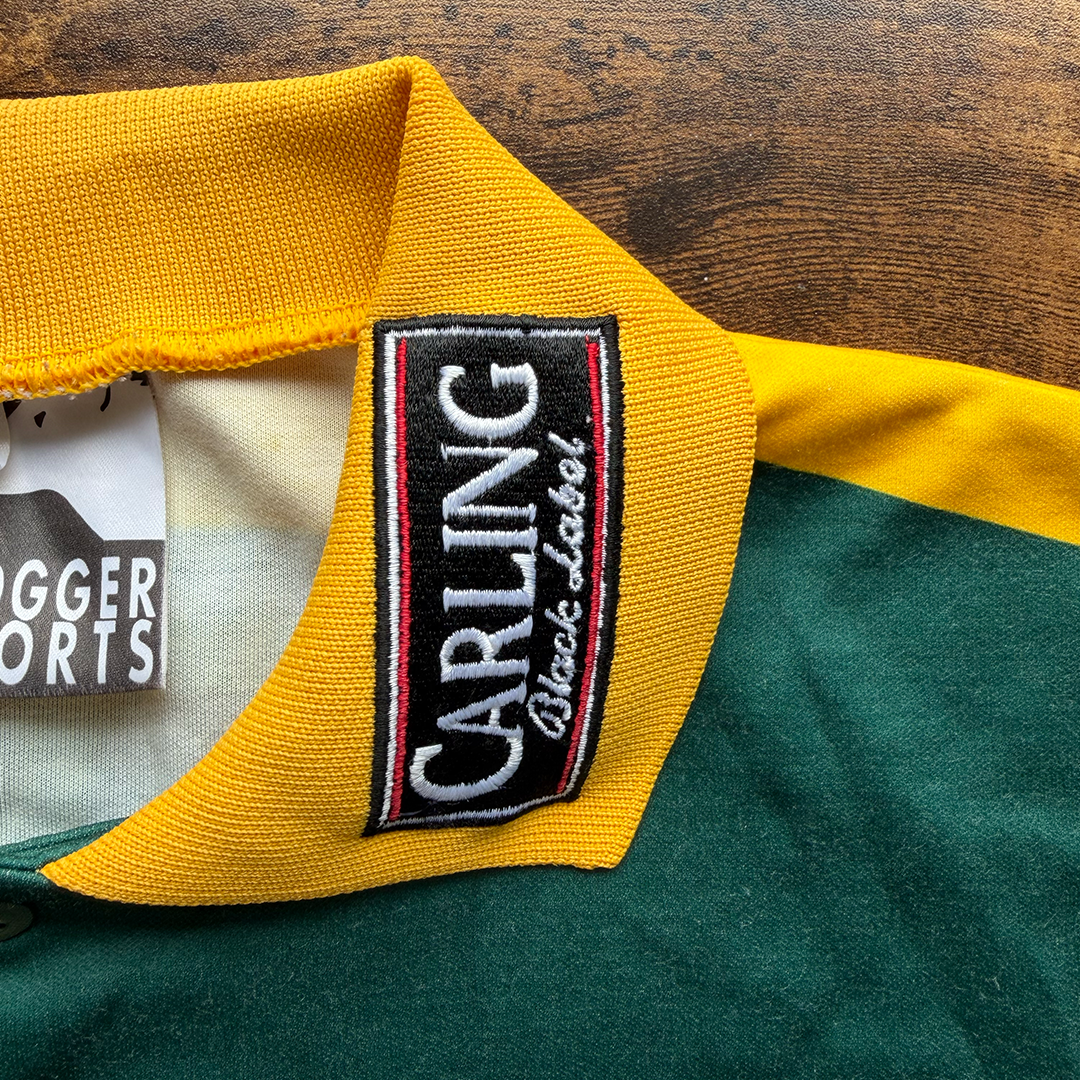
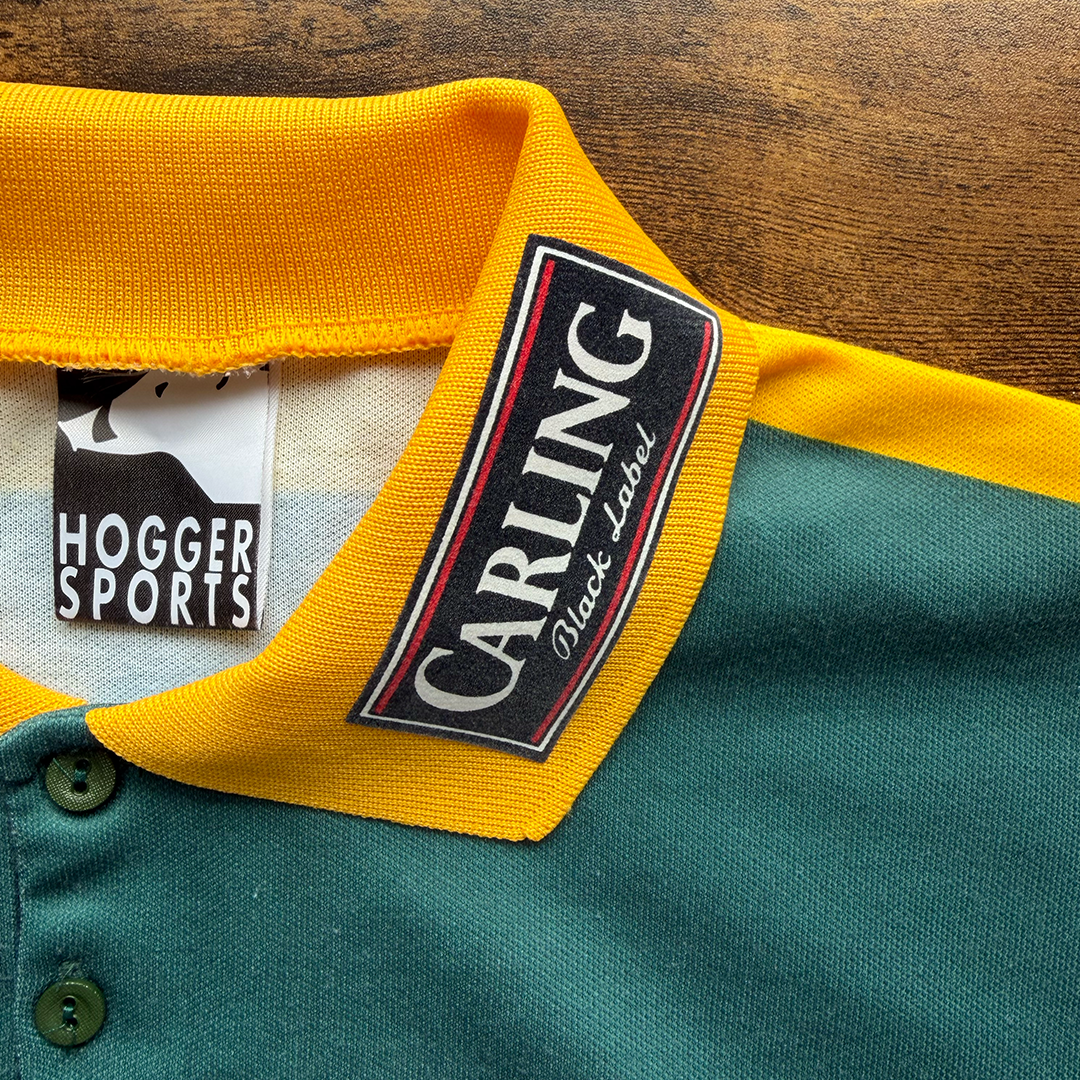
One of the most noticeable differences between the two versions can only be seen and felt in hand - the fabric..
Player issues are a heavier material - 65% Cotton and 35% Polyester - whereas the retail is 100% Cotton and lighter in weight.
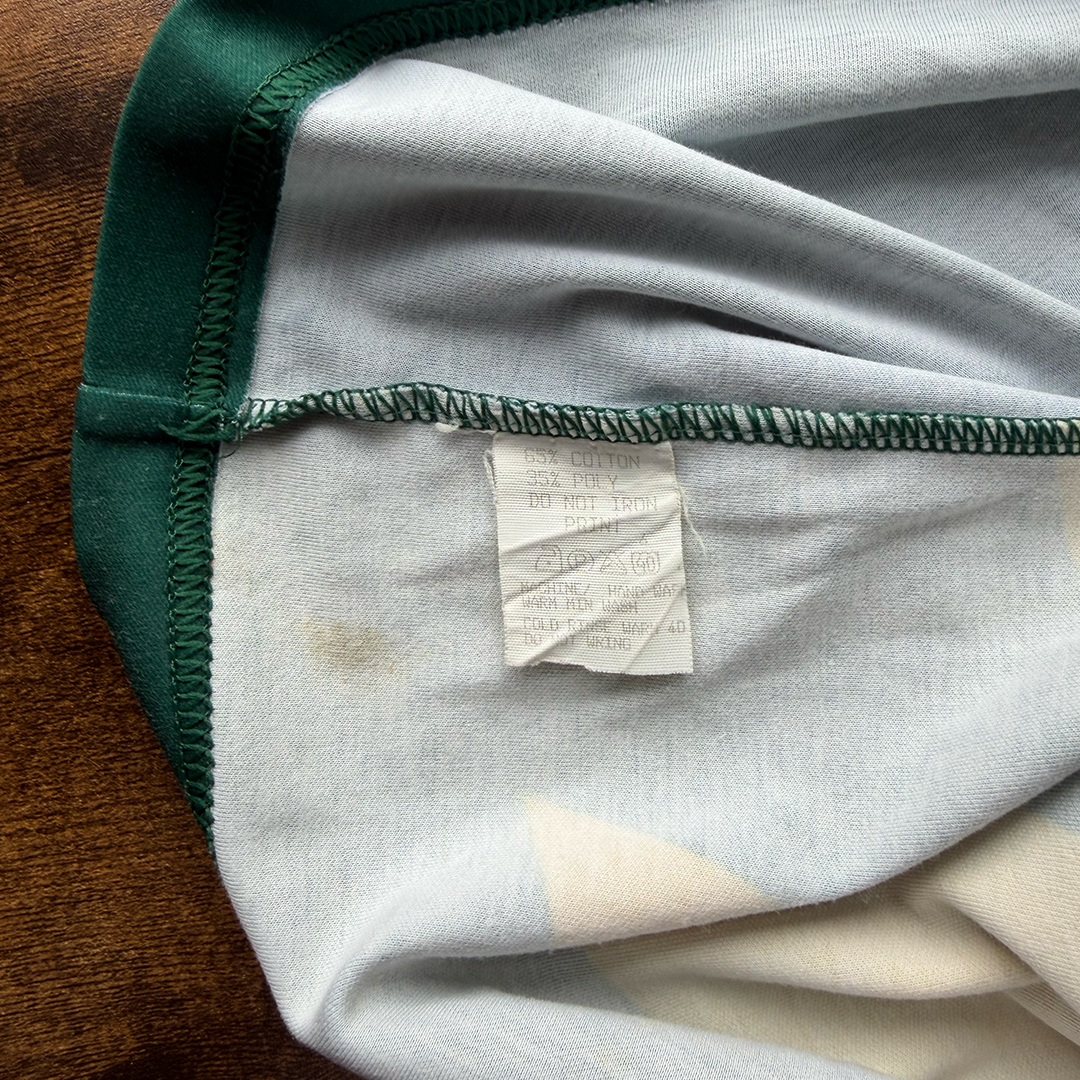
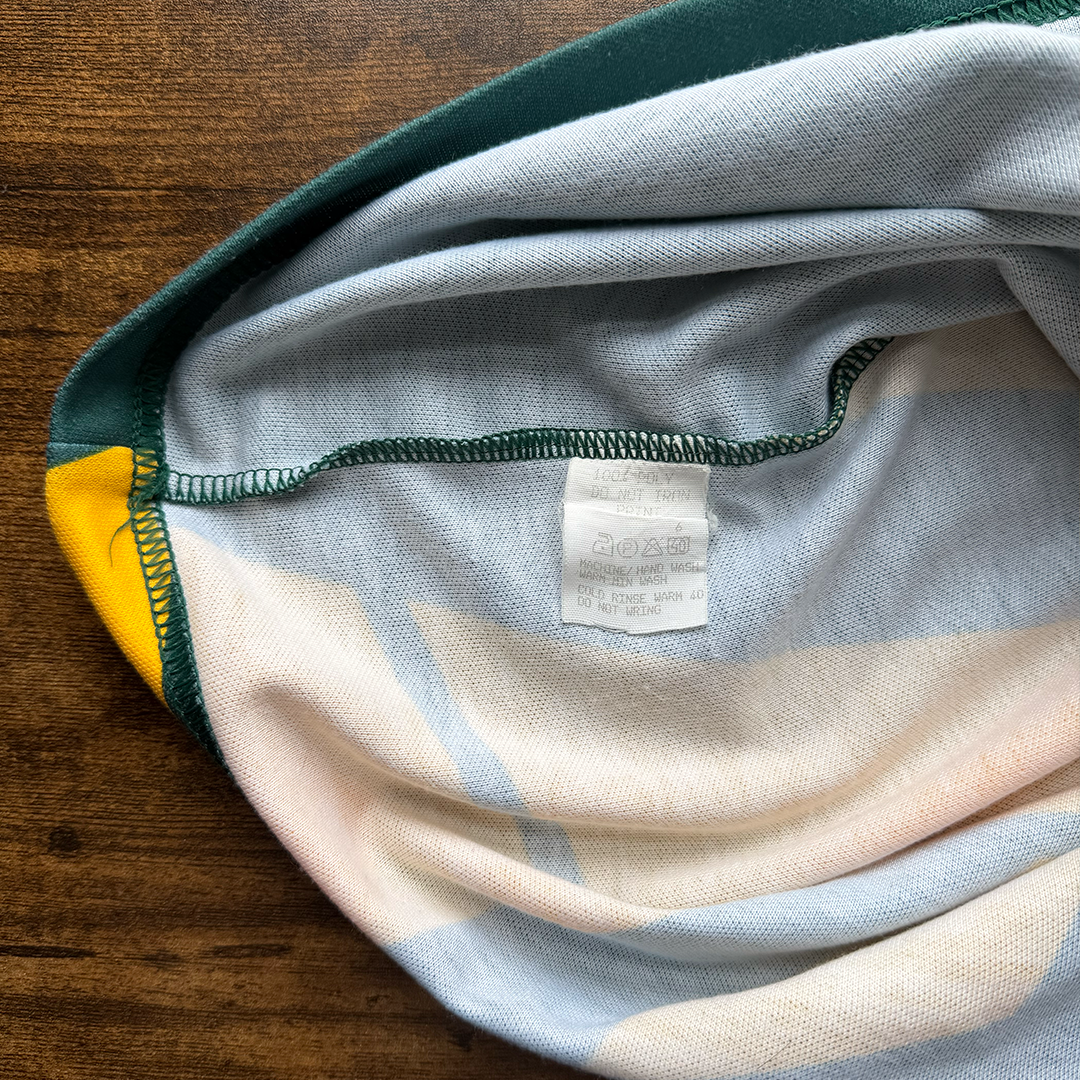
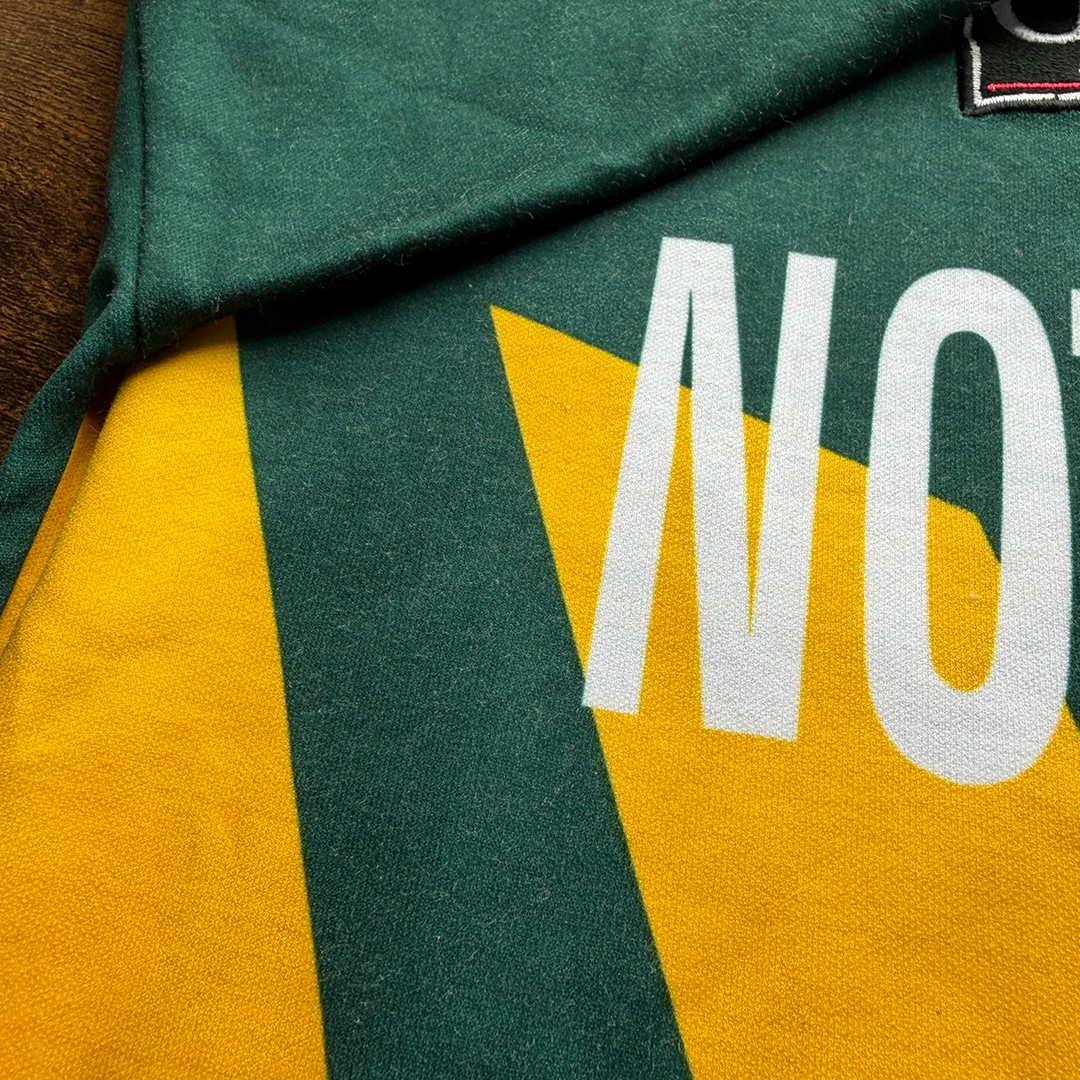
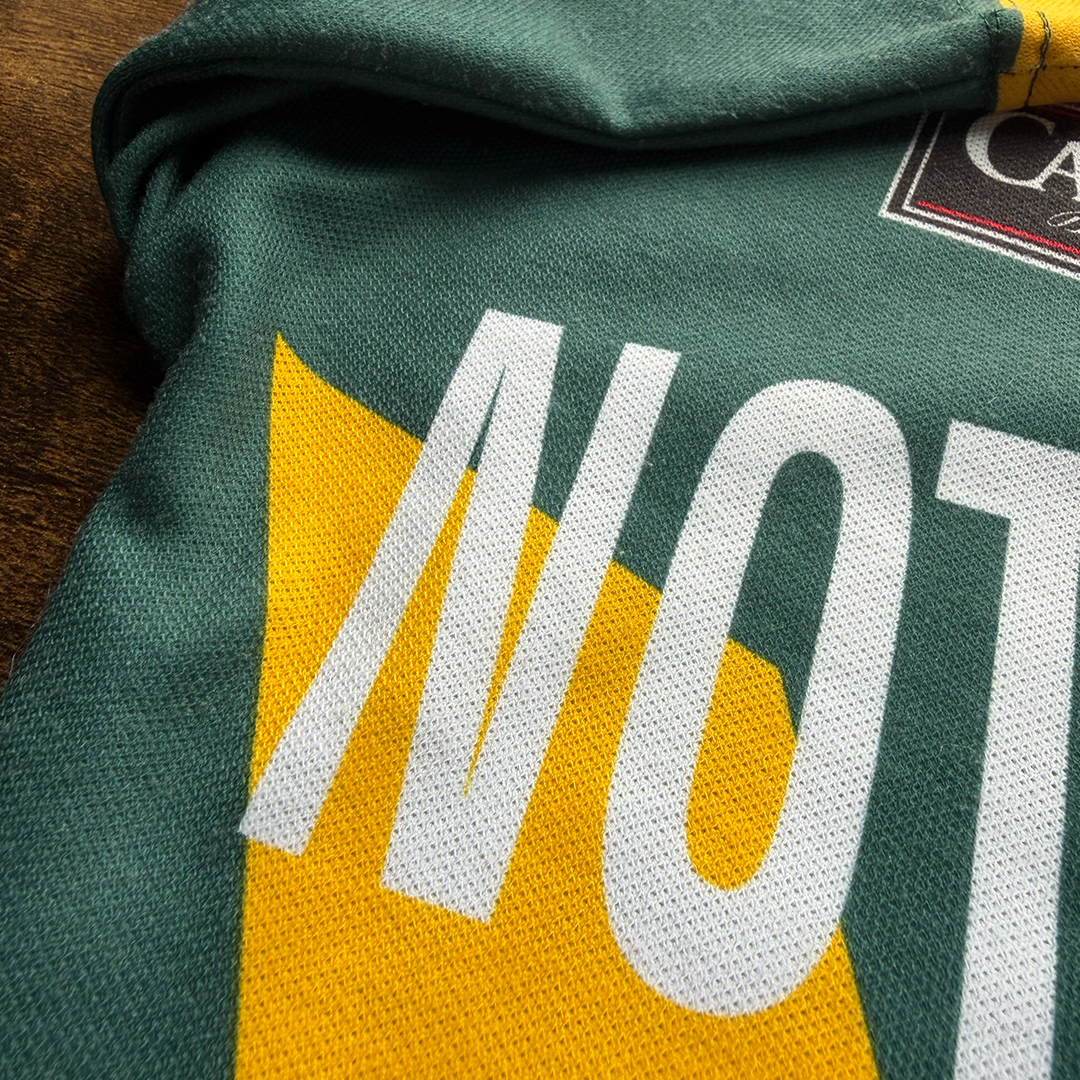
ISC: distributed exclusively in Australia & New Zealand in the 1990s and a lot more rare (sometimes player issued)
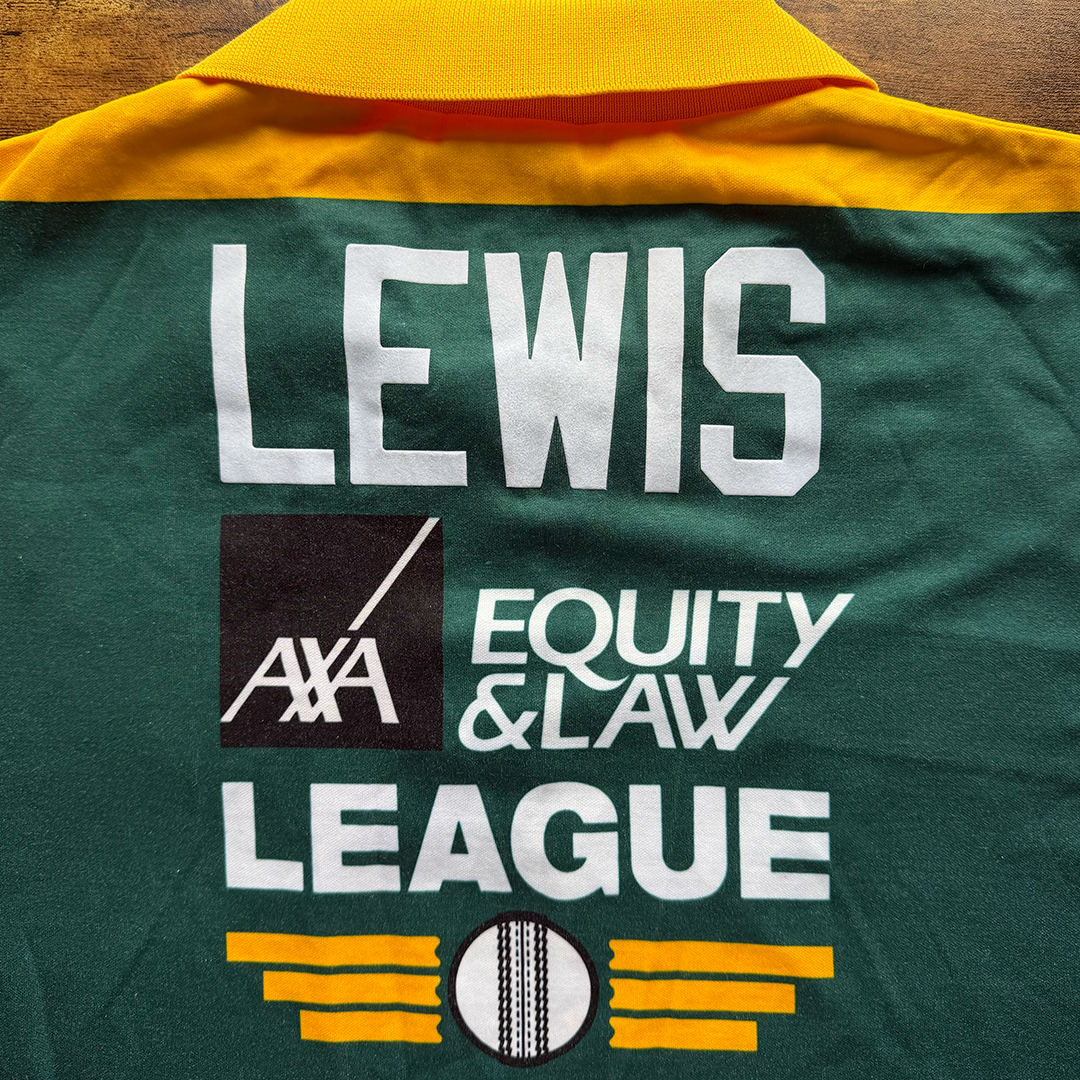
Given the elevated product and exclusivity with player issued shirt, the market will reflect this with a premium price - but the value in return will often be matched with the quality and rarity. You’ll not only be owning a piece of history but also an exclusive item that was never made available to the everyday cricket fan.
Want to explore more player issues? Shop them here.